
Normal Aging vs. Early Alzheimer’s Disease

How can we tell the difference between normal age related memory symptoms and early Alzheimer’s disease symptoms?

It is important to note that not everyone will experience the same symptoms. What may be normal for one person may not be normal for another. Generally speaking, normal age-related cognitive decline is subtle and mostly affects thinking speed or the ability to pay attention. 

That being said, sometimes it’s hard to decide if you should be concerned about the memory changes you are experiencing.

The Alzheimer’s Association lists 10 warning signs and symptoms that you should be on the lookout for.

#1. Memory Loss

Normal Aging: This is the main complaint that aging individuals have. If you are experiencing normal aging you may still forget information such as someone’s name or what time you have an appointment, but you will eventually remember it later.

Early Symptom: If you are forgetting information and asking for that same information over and over, heavily relying on reminders from technology, family, or friends, you may be experiencing memory problems that are more severe than normal aging that could be a sign of Alzheimer’s. The main distinction to make here is whether or not your memory complaints are interfering with and disrupting your daily life.

#2. Changes in Problem Solving or Planning

Normal Aging: Making small mistakes from time to time, such as an error balancing your checkbook or forgetting an ingredient in a recipe while cooking is considered to be normal aging. Sometimes the ability to react or think things through will be a bit slower, and it may be easier to become distracted.

Early Symptom: If you have a harder time keeping track of monthly bills, following recipes from start to finish, working with numbers, counting change, calculating a tip, or creating and following plans, you may be experiencing early symptoms of Alzheimer’s disease. Here, the ability to concentrate will be very difficult.

#3. Difficulty With Tasks That Are Familiar At Work, Home, or Leisure

Normal Aging: During normal aging you may need help figuring out settings on appliances or understanding how to use newer technologies, but you are still able to complete your daily tasks despite these difficulties.

Early Symptom: If you are experiencing difficulties in these areas that keep you from completing your daily tasks, you may be experiencing early symptoms of Alzheimer’s. This could include forgetting how to get somewhere that you visit frequently, remembering the rules of a game you like to play, or having trouble completing your duties at work that you didn’t struggle with previously.

#4. Confusion With Time or Place

Normal Aging: Time Flies! It is normal to occasionally forget the date or day of the week, as long as you are able to remember it or figure it out later. It is also common to go into a room and forget the reason for going there, but remembering again shortly after.

Early Symptom: People who are developing Alzheimer’s typically forget dates and seasons and have a hard time recognizing the passage of time. If you are getting lost or don’t know where you are in a place that is familiar to you, this is a sign of something more severe than normal aging. There will also be a struggle with time-relationships when discussing life events. In this stage, the person is not likely to figure out the day of the week or what season it is later on because they don’t realize that they never knew it to begin with.

#5. Visuospatial Problems

Normal Aging: It is normal for your eyes to age along with the rest of your body. Things like cataracts, misty or cloudy vision, or changes in your eyesight strength contribute to the way you see images or perceive spatial relationships. These would be considered normal aging events.

Early Symptom: It is not normal when you are experiencing difficulties interpreting visual information such as reading, driving, and judging distances between things. These may be indications that something more concerning is going on.

#6. Trouble Speaking or Writing Words

Normal Aging: It is normal to struggle to find the right word sometimes. We all do it. As we age we may also have more difficulty keeping up with a conversation and find that we need to concentrate harder in order to participate. If too many people are speaking at once, it may be easy to lose track of the conversation.

Early Symptom: If you notice a change in your ability to hold a conversation with someone, finding the correct word for something, or forgetting what you’re talking about in the middle of speaking, this may be a sign that you’re developing early symptoms of Alzheimer’s.

#7. Losing Items and Not Being Able To Find Them

Normal Aging: In normal aging we may set something down and forget later where we left the item, but we have the ability to think back and retrace our steps to find the lost item.

Early Symptom: In early Alzheimer’s you may lose something, but not be able to find it again. You may even start leaving things in unusual places that they don’t necessary belong. Over time this will start to occur more frequently.

#8. Changes in Judgment

Normal Aging: We all make bad choices from time to time throughout life. We learn from these mistakes and recognize that it may not have been the best choice or action.

Early Symptom: When your ability to make appropriate decisions or assess risks begins to decrease, you may be showing early signs of Alzheimer’s. Making bad choices frequently such as giving large sums of money to telemarketers or getting involved in pyramid schemes are common examples of changes in judgment.

#9. Abandoning Social Activities or Work

Normal Aging: Hesitating before going to a social gathering or function is to be expected. As you get older, social engagements can be tiring.

Early Symptom: A person who is experiencing early symptoms of Alzheimer’s will start to abandon, lose interest or withdraw from hobbies, work responsibilities, or social gatherings altogether. This could be due to the changes they are experiencing, or they may be forgetting that they enjoy the activity.

#10. Mood and Personality Changes

Normal Aging: Being irritated when someone or something disrupts your daily routine is common. Normally, you are irritated briefly, work through it and move on. It is also normal aging to feel a bit anxious or weary about social or family obligations.

Early Symptom: If you are having early Alzheimer’s symptoms, you may have drastic changes in feeling suspicious, confused, angry, sad, anxious and uncomfortable. Typically, you may easily become upset over little things. You may pace or wander away from an unfamiliar situation, and odd behaviors will begin to emerge.

*Make sure not to try and self diagnose after reading through these symptoms. If you have concerns that you may be showing early signs of Alzheimer’s disease, discuss what you are experiencing and feeling with your doctor.

Being aware of these 10 warning signs and symptoms will help you, or your loved one, be proactive with care related to Alzheimer’s disease.


Facebook
Twitter
Email
Sources: 
10 Early Signs and Symptoms of Alzheimer’s [Internet]. Alzheimer’s Disease and Dementia. [cited 2019May29]. Available from: https://www.alz.org/alzheimers-dementia/10_signs
Healthy Aging [Internet]. Memory and Aging Center. [cited 2019May29]. Available from: https://memory.ucsf.edu/symptoms/healthy-aging
Normal ageing vs dementia [Internet]. Alzheimer’s Society. [cited 2019May29]. Available from: https://www.alzheimers.org.uk/about-dementia/symptoms-and-diagnosis/how-dementia-progresses/normal-ageing-vs-dementia
 

Sleep and Alzheimer’s Disease

Sleep problems and disorders are relatively common among seniors. Many individuals with a neurodegenerative disease complain of experiencing  insomnia, excessive daytime sleepiness, or abnormal motor activity while they are sleeping. [3]

Research shows that adults should be sleeping 7 or more hours per night on a regular basis, give or take an hour depending on the individual. The sleeping brain uses almost as much energy as the awake brain. Certain hormones are only secreted while we sleep, problems can be solved during sleep, and memories are consolidated. [1] Although people find ways and excuses for functioning on less sleep, there is really no substitute for sleep itself. The brain needs this time to clear neurotoxins and maintain optimal health

Neurodegenerative diseases such as Alzheimer’s and Parkinson’s disease can damage the regions of the brain that control sleep, making insomnia and disrupted sleep two prominent features of these disorders. [2] Sleep disruptions can also be a side effect of medications.  

Circadian rhythm disorders can also contribute to sleep disruption and the development of sleep disorders. People with Alzheimer’s disease and circadian rhythm disorders tend to have prolonged wakefulness at night and sleepiness and naps during the day. [2] Bright light therapy can be used to help synchronize the person’s internal clock to help improve sleep patterns and quality.

REM sleep behavior disorder is often diagnosed in those with Alzheimer’s, Parkinson’s, and Lewy Body disease. Normally when we enter REM sleep, dreaming begins and the body is paralyzed so that we do not act out our dreams.  For those who have REM sleep behavior disorder, dreaming is disrupted, and paralysis does not occur so they act out their dreams.  Safety Precautions should be implemented if someone is experiencing REM sleep behavior disorder because they may get out of bed, walk around, thrash or flail their limbs; some people even eat in their sleep. [3] Here are some safely precautions to consider when dealing with REM sleep behavior disorder. [2]

  • Remove furniture with sharp edges and other sharp objects from the sleeping area
  • Remove any weapons that may be stored in or near the sleeping area
  • Move the bed away from windows
  • Use heavy curtains or drapes
  • Place the mattress on the floor of the bedroom
  • Put soft padding on any hard surfaces near the bed
  • Sleep in separate beds to avoid injury
  • Consider adding a bed alarm to wake up the person or partner

Caring for someone with sleep disruptions or disorders affects the quality and quantity of sleep that the caregiver is getting nightly. If caregivers do not get enough sleep there is a high chance of burnout and health decline.

Remember these basic tips to promote healthy sleep hygiene habits!

  • Pick a schedule and stick to it
  • Stay active during the day
  • Get some Vitamin D
  • Don’t drink anything right before bed
  • Take a bath before bed
  • Convert your bedroom into a sleep sanctuary

Sweet Dreams! 

Facebook
Twitter
Email
Sources:
[1] Basner M. Sleep and Neurocognitive Performance . Practical Neurology. 2019;57–9.
[2] Malhotra RK. Sleep and Neurodegenerative Disease. Practical Neurology. 2019;37–40.
[3] Sleep and Aging – Senior Sleep Guide [Internet]. Tuck Sleep. [cited 2019May16]. Available from: https://www.tuck.com/sleep-aging/

Does Periodontal Bacteria Cause Alzheimer’s Disease?

We have been taught the importance of brushing our teeth since childhood, but could maintaining healthy oral hygiene protect us from getting Alzheimer’s disease? The human mouth is home to at least six billion bacteria! [2]

A recent study published in Science Advances claims that the oral pathogen Porphyromonas gingivalis can travel from the mouth to the brain, where it may instigate Alzheimer’s disease. They have found that people with Alzheimer’s disease have higher levels of the bacterial protease gingipain in their brain tissue, which is produced by the bacterium P. gingivalis. They also found that the brains of people with Alzheimer’s disease contain traces of gum bacteria that may initiate or aggravate Alzheimer’s disease pathology. [1] See the full publication here.

The study suggests that once in the brain, the P. gingivalis bacteria releases toxic proteins, gingipains, that have been shown to destroy neurons and cause other signature signs of Alzheimer’s disease in the brain in animal studies. Once the brain is infected, the brain’s natural defenses gather around the infected cells causing the inflammation and buildup of plaques associated with Alzheimer’s disease.[4]

What is Porphyromonas gingivalis?

P. gingivalis is most commonly associated with degenerative gum disease. In the U.S., periodontal disease affects one-half of the population over 30 years of age and is the major cause of tooth loss among adults. [6] Studies show that older people with periodontal disease have an increased risk of Alzheimer’s disease and cognitive decline, however, it remains unclear whether poor hygiene and gum disease lead to dementia. [1]

How do I improve my oral health?

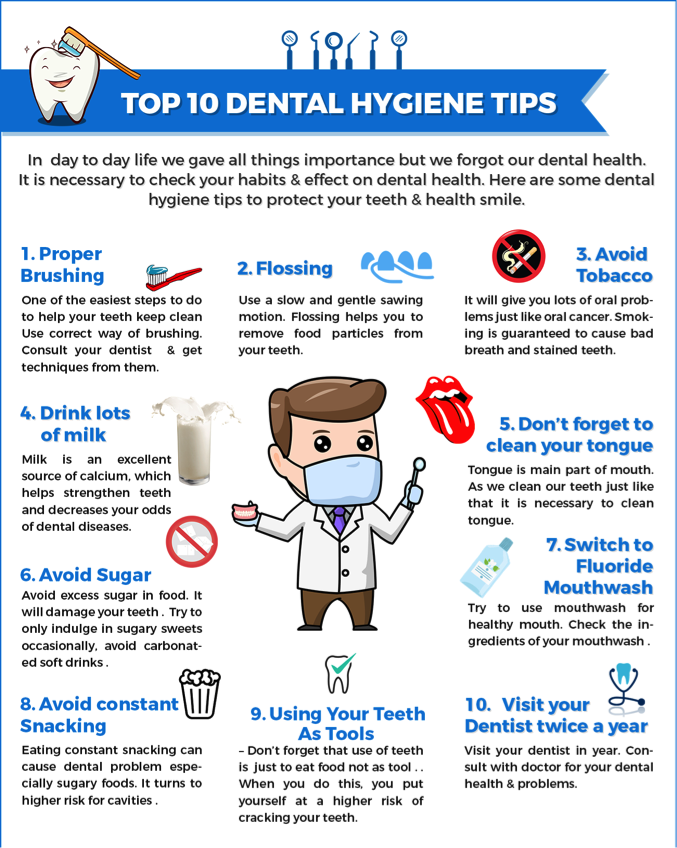
It has been noted that establishing and maintaining good oral health habits throughout life is imperative. The damage of the P.gingivalis bacterium is done over a lifetime, not just in later life or after the onset of Alzheimer’s disease. Paying extra attention to your oral health can protect you, not only from Alzheimer’s disease, but from other health conditions including diabetes, coronary artery disease, heart attack, and stroke. Below you will find some basic oral health tips to improve or maintain your oral health! 

More research in this area?

Since the publishing of the initial research findings in January 2019, The GAIN Trial, a phase 2/3 trial sponsored by Cortexyme Inc, is just being put into motion. The trial began in April 2019, and is looking to treat more than 500 participants diagnosed with mild to moderate Alzheimer’s disease. Treatment with the study drug will last for one year. P.gingivalis levels will be measured in these participants before starting treatment, as well as, after treatment. Participants cognitive abilities will also be measured before, throughout, and after the study. More information about Cortexyme can be found here. The GAIN Trial website can be found here

Facebook
Twitter
Email
Sources: 
[1] An Antimicrobial Approach to Treating Alzheimer’s? [Internet]. ALZFORUM. [cited 2019May14]. Available from: https://www.alzforum.org/news/research-news/antimicrobial-approach-treating-alzheimers
[2] Porphyromonas gingivalis in Alzheimer’s disease brains: Evidence for disease causation and treatment with small-molecule inhibitors [Internet]. Science Advances. Available from: https://advances.sciencemag.org/content/advances/5/1/eaau3333.full.pdf
[3] Cortexyme, Inc [Internet]. Cortexyme, Inc. [cited 2019May14]. Available from: https://www.cortexyme.com/
[4] GAIN Alzheimer’s Clinical Trial [Internet]. GAIN Study. [cited 2019May14]. Available from: https://gaintrial.com/
[5] Photo :Top 10 Dental Hygiene Tips [Internet]. Oswal Dental Clinic. 2016 [cited 2019May14]. Available from: http://www.oswaldentalclinic.com/top-10-dental-hygiene-tips/
[6] How KY, Song KP, Chan KG. Porphyromonas gingivalis: An Overview of Periodontopathic Pathogen below the Gum Line. Frontiers in Microbiology. 2016;7.