Benefits of Turmeric (Curcumin)

Turmeric is a commonly used natural spice in South Asian cuisine such as curry. It is a common question whether or not turmeric and curcumin are the same thing. Turmeric is the plant itself, and curcumin is a compound found within turmeric.

Turmeric is used in traditional South Asian medicine to relieve wounds, gallstones, cramps, and Alzheimer’s disease (AD) symptoms. There is a growing amount of research being done regarding curcumin as an effective antioxidant and anti-inflammatory agent with the ability to improve cognitive functions in those with AD. Scientists report that Alzheimer’s disease for Indians aged 70-79 is four times lower than the rate in the United States. Several studies report turmeric(curcumin) to be equally as effective as donepezil(Aricept) in some cases. 

Top 10 documented uses of Turmeric and Curcumin

  • Memory Improvement
  • Heart Strengthener
  • Healthier Skin
  • Better Digestion
  • Less Dry Eye
  • Seasonal Allergy Relief
  • Artery Health
  • Diabetes
  • Better Liver Function
  • Arthritis Pain Relief

Reported benefits of turmeric include: anti-inflammatory properties, pain relief, improved liver function, reduced cancer risk, aids digestion, and immune health support.

How does Turmeric ( Curcumin) affect Alzheimer’s disease?

Both amyloid plaques and tau tangles are the basic pathologic markers of AD and initiate neuroinflammation causing more damage to thebrain because the immune system tries to clear these “foreign invaders”. These plaques and tangles accumulate, contributing to a decline in cognitive performance and memory loss. Research suggests that curcumin binds with the amyloid beta proteins, and due to its strong anti-inflammatory properties, prevents amyloid from resulting in further damage the brain.Curcumin decreases the level of oxidized proteins and isoprostanes in the brain while also suppressing Presenilin-1 activity (the BASE enzyme that make toxic AB-40/42), inhibiting further production of amyloid. Curcumin has also been found to have a high binding affinity for iron and copper; metals that can accelerate oxidative damage in the brain.

How much turmeric do I take?

The dosage of turmeric and curcumin extract vary depending on the form you are taking it in.

There are no official guidelines for the intake of turmeric, but the acceptable dietary intake is 1.4 mg per pound (3mg/kg) of body weight. This guideline was determined by The Joint FAO/WHO Expert Committee on Food Additives (JECFA).

If you are just taking curcumin extract, the dosage is unknown, but there are currently clinical trials being done to investigate a safe and effective dosage. 

Before deciding to add turmeric or curcumin extract into your daily routine, consult with your doctor. Be sure to consider the quality of the powder or supplement when deciding which one to purchase. Some powdered forms have additives or cheap fillers that may be hard to identify solely from the label. It is recommended to choose turmeric from a reputable agency, such as one that is USDA Certified Organic.

What if I don’t want to take the powdered form?

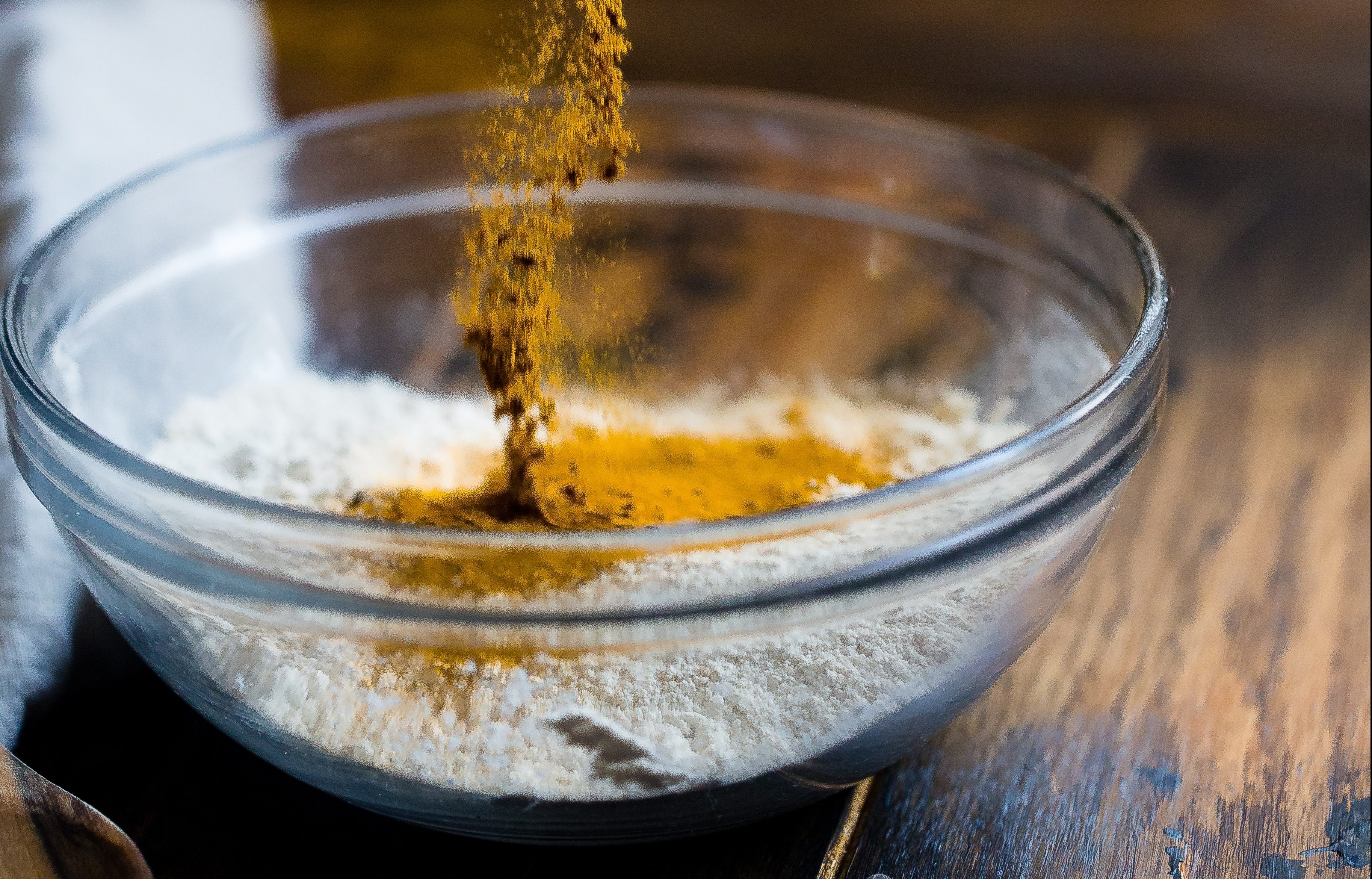
Turmeric can be added into your diet by getting creative in the kitchen and spicing up your recipes! For some inspiration check out some of these possible recipes from BBC Goodfood.

Are there side effects?

The most commonly reported side effect is stomach upset when taking turmeric. In some cases it also can cause a headache. A skin rash may occur when taking extremely high doses, although this is rare.

Facebook
Twitter
Email
Sources:
Adalier, Nur, and Heath Parker. “Vitamin E, Turmeric and Saffron in Treatment of Alzheimer’s Disease.” Antioxidants, vol. 5, no. 4, 2016, p. 40., doi:10.3390/antiox5040040.
Bhat, Abid, et al. “Benefits of Curcumin in Brain Disorders.” BioFactors (Oxford, England), 2019, doi:10.1002/biof.1533.
Tweed, Vera. “10 Benefits of Turmeric and Curcumin: The Popular Curry Spice and Its Active Ingredient (Curcumin) Offer a Wide Array of Uses for Health and Wellness.(Check OUT: GUIDE TO CUTTING-EDGE SUPPLEMENTS).” Better Nutrition, vol. 80, no. 5, 2018, p. 26.

Current Alzheimer’s Drugs and What They Do

With so many advertisements claiming that certain medications treat Alzheimer’s disease, how can we tell which one’s are legitimate?

There are 4 FDA approved medications for the treatment of Alzheimer’s disease (AD) in the United States. These drugs are not cures for the disease, but rather, help better manage the symptoms that effect memory and thinking.

There are two types of medications that are FDA approved to treat the cognitive symptoms brought on by Alzheimer’s, cholinesterase inhibitors and memantine.

The three commonly prescribed cholinesterase inhibitors are Donepezil (Aricept), Rivastigmine (Exelon), and Galantamine (Razadyne). These three medications are generally used during the mild to moderate stages of Alzheimer’s disease.

But what is a cholinesterase inhibitor?

Cholinesterase inhibitors work to prevent the breakdown of acetylcholine, which is a chemical in the brain that is part of the attention,  learning and memory circuits. Cholinesterase inhibitors have side effects mainly on the GI system. However, not everyone will get a response on these drugs; the effectiveness of these drugs varies from person to person. For people in later stages of AD, it may be harder to notice the assistance that these drugs can offer.

Memantine (Namenda) helps to regulate glutamate in the brain. Glutamate is a neurotransmitter in the brain that is responsible for sending signals between nerve cells. Memantine is typically used in the later, more severe stages of AD, but it can also be given to early stage patients to target anxiety and irritability.

New drugs are being tested to attempt to slow the progression of Alzheimer’s disease or even modify the disease process itself so that it does not have the opportunity to come to fruition as full blown Alzheimer’s disease. Common targets that experimental drugs are focusing on are Beta-amyloid, Beta-secretase, Tau protein, Inflammation, and the 5-HT2A receptor.

What about alternative treatments I’ve seen advertised?

There are many over-the-counter drugs and dietary supplements that claim to treat AD, delay AD, or enhance memory and thinking. However, these products have not been evaluated and approved by the Food and Drug Administration as safe or effective treatments for Alzheimer’s. In some cases, these products may negatively interact with prescribed medications already being taken in the course of treatment.

Always discuss any new herbal remedies, dietary supplements, or alternative treatments with a medical professional before adding any into your daily routine. If you see a new treatment available that interests you, make sure to do the research and bring information with you to discuss with your doctor.

The following video offers a visual explanation of cholinesterase inhibitors and memantine!

Facebook
Twitter
Email
Sources:
khanacademymedicine. Treatment of dementia and Alzheimer’s disease | Mental health | NCLEX-RN | Khan Academy [Internet]. YouTube. YouTube; 2015 [cited 2019Jul16]. Available from: https://www.youtube.com/watch?v=durV0mnzPo4
Medications for Memory [Internet]. Alzheimer’s Disease and Dementia. [cited 2019Jul16]. Available from: https://www.alz.org/alzheimers-dementia/treatments/medications-for-memory
Zhou Y, Danbolt NC. Glutamate as a neurotransmitter in the healthy brain [Internet]. Journal of neural transmission (Vienna, Austria : 1996). Springer Vienna; 2014 [cited 2019Jul16]. Available from: https://www.ncbi.nlm.nih.gov/pmc/articles/PMC4133642/

Our Stories

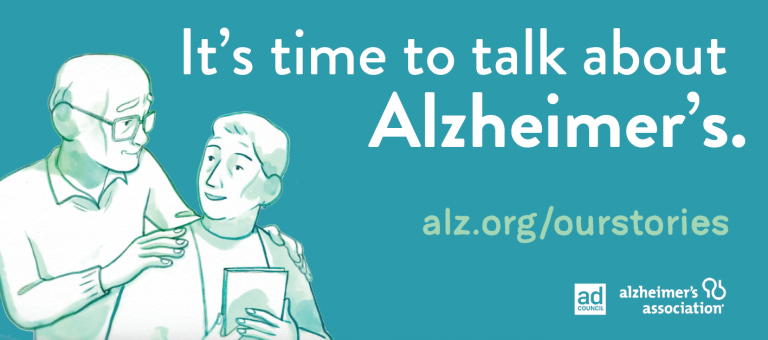
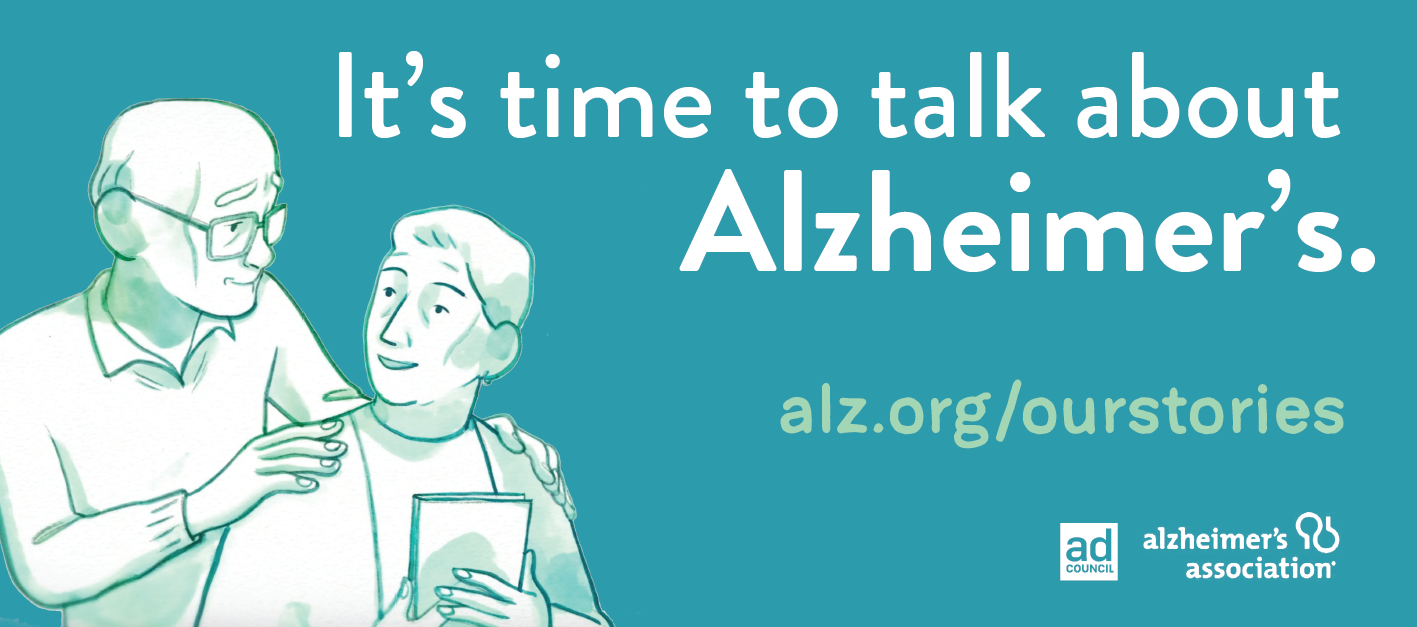
Our Stories, by the Alzheimer’s Association, features the unique stories of 5 individuals with Alzheimer’s disease. These interactive stories help to notice changes in yourself or a loved one, and give tips on starting conversations about health concerns. It can be difficult to know what to do or say, but the stories of Cynthia, Mario, Julie, Theresa, and Tom are helpful guides in how to approach different situations.

It can be difficult to know what to say when you suspect someone important to you is experiencing memory problems, thinking problems, or behavior changes. Early detection of these problems offers significant benefits for an individual who is diagnosed with Alzheimer’s.  Benefits of early diagnosis include medical benefits, emotional and social benefits, more time to plan for the future, and cost savings. Further explanations of these benefits can be found here.

The biggest question is, How do you know when it’s time to have conversations like these? What if the concerns you have are part of normal aging?

Topics that can lead to a conversation about your concerns include:

  • challenges in planning
  • changes in mood
  • confusion with time and place
  • decreased judgment
  • difficulty completing tasks
  • memory loss
  • misplacing things
  • problems with words
  • trouble with visuals
  • social withdrawal

The Our Stories website also offers help by providing conversation starters with their 10 Steps To Approach Memory Concerns With A Loved One worksheet.

This 10 step guide is available to help you feel more confident and comfortable as you start to begin this discussion and take action. The steps navigate through three different categories:

  1. Assess The Situation
  2. Take Action Through Conversation
  3. Reach Out For Help

Each step is related to one of these three categories and suggests a course of action to be taken.

You can print out this guide and fill it out at your own pace and to meet your individual needs.

In some instances, you may be the one experiencing and noticing changes in your own memory or behavior. It can be hard to discuss concerns about your health with loved ones or trusted friends. There is also a version of the above guide that suggests what steps to take when you notice these changes in yourself, and how to begin conversations and seek support.

Find these amazing resources here at Our Stories!

Facebook
Twitter
Email
Sources: 
Our Stories. [cited 2019Jul9]. Available from: https://ourstories.alz.org/en/
Why Get Checked? [Internet]. Alzheimer’s Disease and Dementia. [cited 2019Jul9]. Available from: https://www.alz.org/alzheimers-dementia/diagnosis/why-get-checked