Donanemab: A Promising Anti-Amyloid Therapy

     Due to inconsistent effects of anti-amyloid therapies, such as aducanamab, a recent shift from the “amyloid hypothesis” to the “tau hypothesis”, has occurred. The primary issue with most anti-amyloid therapies, is that the successful removal of amyloid-β (Aβ) plaques doesn’t significantly reduce the clinical symptoms, suggesting that significant damage to the underlying brain structures has already occurred. However, donanemab, another anti-amyloid therapy, promises to be different, and here’s how.

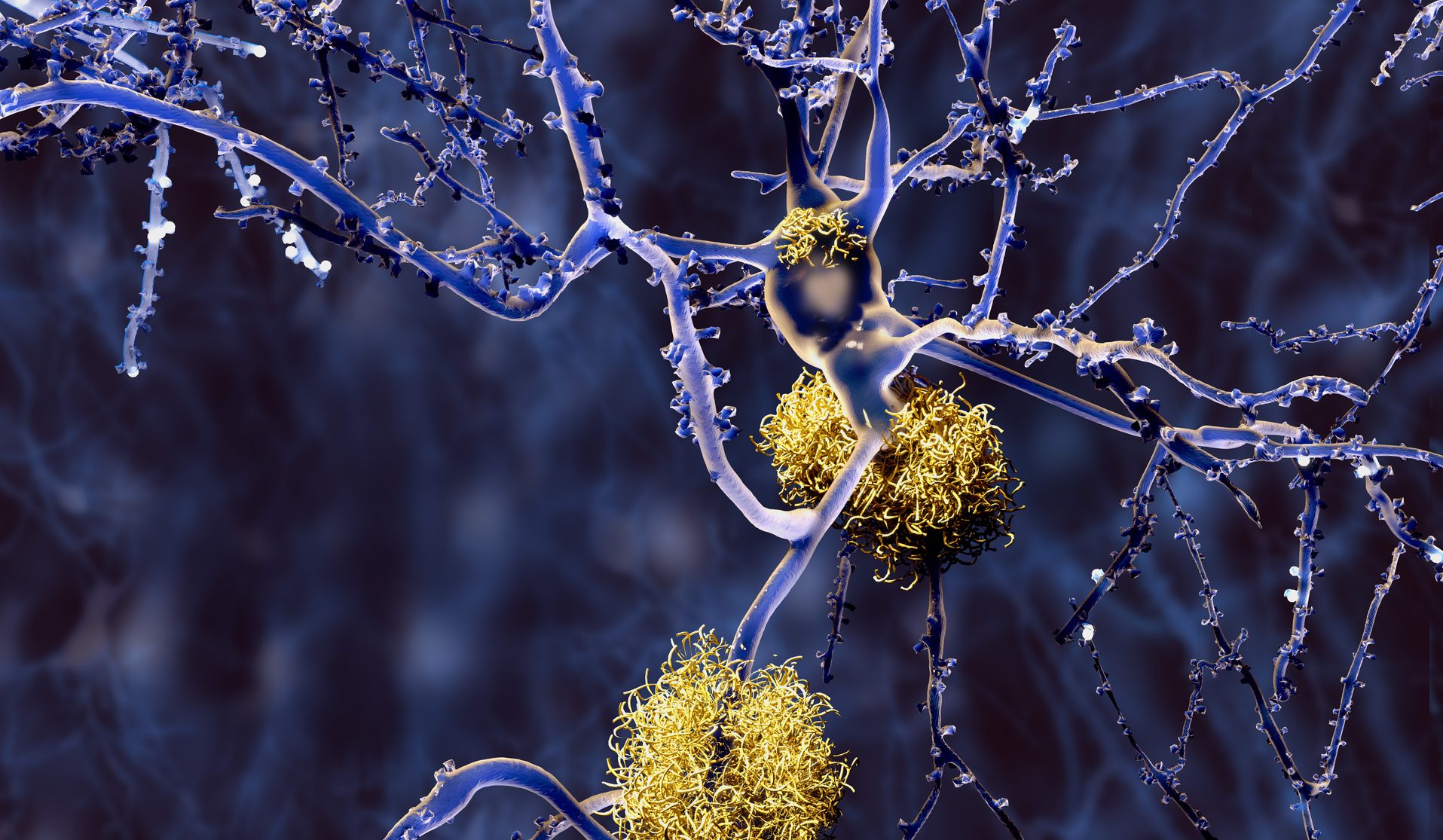
        Firstly, donanemab, unlike most of the previous anti-Aβ therapies, is designed for early use in Alzheimer’s disease (AD), when Aβ levels are notable yet phosphorylated tau (pTau) making up neurofibrillary tangles (NFTs) are not widely deposited. The presence of amyloid is believed to form pTau misfolding and aggregation into NFTs. Not including individuals with widely dispersed NFTs helped provide a clearer picture of what Aβ removal can improve, without significant NFT presence contributing to continued dysfunction and cell death. Secondly, in a Phase-II trial donanemab met its primary outcome measure, producing a significant improvement in 2 cognitive/functional rating scales compared to controls. The secondary outcomes did not reach significance in this trial, but likely could have in a trial with more participants (such as the stage 3 trial with donanemab that our site is participating in). Finally, it targets a specific type of Aβ known as N3 truncated, pyroglutamylated Aβ (pE-Aβ) which is present in relatively low quantities compared to other types of Aβ but is especially prone to “seeding” or propagation of Aβ pathology by interacting with and misfolding other proteins.

      This pE-Aβ has been researched previously and is strongly implicated in the pathogenesis of AD. Its role in neurodegeneration was confirmed in AD mouse when its inhibition improved memory and decreased Aβ deposition. This is because pE-Aβ works synergistically with conventional Aβ when co-incubated, forming resilient hybrid oligomers that have stronger cytotoxic effects than oligomers formed by non-pE-Aβ alone. Therefore, a drug such as donanemab that targets pE-Aβ before they initiate the cascade of plaque formation could, in theory, prevent significant plaque-induced neurodegeneration.

         Even more exciting, in the Phase-II trial also improved Aβ clearance with spectacular results such that within 24 weeks of starting treatment, 25% of the subjects on active drug reached Aβ negativity as reflected in Amyloid-PET scans. By week 76, 68% were Aβ negative. Furthermore, as expected, these results were strongest in those with lower pTau burden at baseline. On the other hand, there were also unexpected outcomes such as the lack of significant hippocampal volume change and an overall decrease in brain volume and increase in ventricular size for those in the treatment group compared to controls. Researchers hypothesized this was due to the rapid removal of plaque volume. Despite these promising outcomes, donanemab is not expected to be a sole treatment for AD in the future. Alzheimer’s is a multi-factorial disease and therefore researchers expect to someday utilize a multi-factorial combination of therapies to specifically target each phase of the disease spectrum and the new Phase-III TRAILBLAZER-ALZ2 trial for donanemab may emerge as one of these future treatments!


Facebook
Twitter
Email
Sources:
Talan, J. A New Monoclonal Antibody Shows Promise Early in Alzheimer’s Disease [Article]. Neurology. 2021.
Nussbaum, J., et al. Prion-like behavior and tau-dependent cytotoxicity of pyroglutamylated amyloid-β [Online]. Nature. 2012. Available from:  https://www.ncbi.nlm.nih.gov/pmc/articles/PMC3367389/

Lion’s Mane: A Mushroom to Remember

       This week we will be discussing the mushroom Lions Mane, or Hericium Erinaceus, and its health applications for Alzheimer’s Disease (AD). Currently, there are no drugs on the market that prevent, reverse, or halt AD progression. Although a few clinical trials in the pipeline show promise, scientists are also looking to alternative treatments, like Lions Mane, to combat AD.

       Lions Mane is a culinary mushroom and is commonly eaten in countries such as Japan and China without any harmful effects. It’s generally found growing under old broadleaf trees and contains erinacines, natural substances with potential pharmacological effects on the central nervous system (CNS). There are two forms of Lions Mane that can be ingested; the fruiting body and the mycelium that encompasses the erinacines. Erinacines fall within a group of compounds called cyathin diterpenoids, and are stimulators of nerve growth factors (NGF). Nerve growth factors play a supportive role in the CNS, and are critical to adequately protect surviving and developing neurons.

       Rats given erinacine A for 3 weeks increased their concentrations of noradrenaline and homovanillic acid in the hippocampus compared to controls and showed evidence of an overall increase in NGF levels, most notably in the dentate gyrus of the hippocampus. Increases in noradrenaline and homovanillic acid result in more alertness and better retrieval of memory along with breaking down fat and increasing blood sugar levels to promote more energy, suggesting that erinaceus A promotes nerve and brain health in animal models. Furthermore, H. erinaceus mycelium containing erinacine A administered orally to AD transgenic mice for 30 days resulted in decreased recruitment and activation of plaque burden compared to controls. Other structures often impaired in AD, like the hippocampus and the locus coerulous, also showed functional improvement compared to those not given the mycelium.

       A double-blind clinical trial assessing the oral administration of H. erinaceus fruiting bodies in elderly humans showed improvement in subjects with mild cognitive impairment compared to age-matched controls. Researchers measured improvements using the Revised Hasegawa Dementia Scale (HDS-R). The group ingesting H. erinaceus significantly increased their scores during the 16-week treatment period, indicating improvement compared to those not taking H. erinaceus. However, when subjects stopped taking H. erinaceus their scores began to fall, reflecting scores similar to those that were untreated, indicating the need for continued use.

       Several different compounds in H. erinaceus appear to contain protective benefits, such as amyloid plaque reduction, insulin-degrading enzyme expression, enhancing NGF release, and even managing neuropathic pain. Although some is known about erinacines, many of the compounds are still undergoing research, with some still being discovered. These discoveries and continued ones will hopefully continue to pave the way for therapeutic strategies to prevent, manage, and slow AD progression. Furthermore, prior research and clinical trials have proven that Lion’s Mane and its extracts are safe for human consumption at doses of 3-4 grams per day (although allergies have been noted). If this research interests you, we encourage you to discuss Lion’s Mane with your primary care physician to potentially improve your cognition.

Facebook
Twitter
Email
Sources:
Li, I. C., et al. NeuroHealth Properties of Hericium erinaceus Mycelia Enriched with Erinacines [Online]. 2018. Available from: https://pubmed.ncbi.nlm.nih.gov/29951133/
Mori, K., et al. Nerve Growth Factor-Inducing Activity of Hericium erinaceus in 1321N1 Human Astrocytoma Cells [Online]. 2008. Available from: https://pubmed.ncbi.nlm.nih.gov/18758067/
Chong, P. S., Fung, M. L., Wong, K. H., & Lim, L. W. Therapeutic Potential of Hericium erinaceus for Depressive Disorder [Online]. 2019. Available from: https://pubmed.ncbi.nlm.nih.gov/31881712/
Mori, K., Inatomi, S., Ouchi, Y., Azumi, Y., Tuchida, T. Improving effects of the mushroom Yambushitake (Hericium erinaceus) on mild cognitive impairment: a double-blind placebo-controlled clinical trial [Online]. 2009. Available from: https://pubmed.ncbi.nlm.nih.gov/18844328/
Shimbo, M., Kawagishi, H., Yokogoshi, H. Erinacine A increases catecholamine and nerve growth factor content in the central nervous system of rats [Online]. 2005. Available from: https://www.sciencedirect.com/science/article/abs/pii/S0271531705001041
Chen, C., et al. Erinacine S, a rare sestererpene from the mycelia of Hericium erinaceus [Online]. 2016. Available from: https://pubmed.ncbi.nlm.nih.gov/26807743/