COVID-19: What Can You Do?

COVID

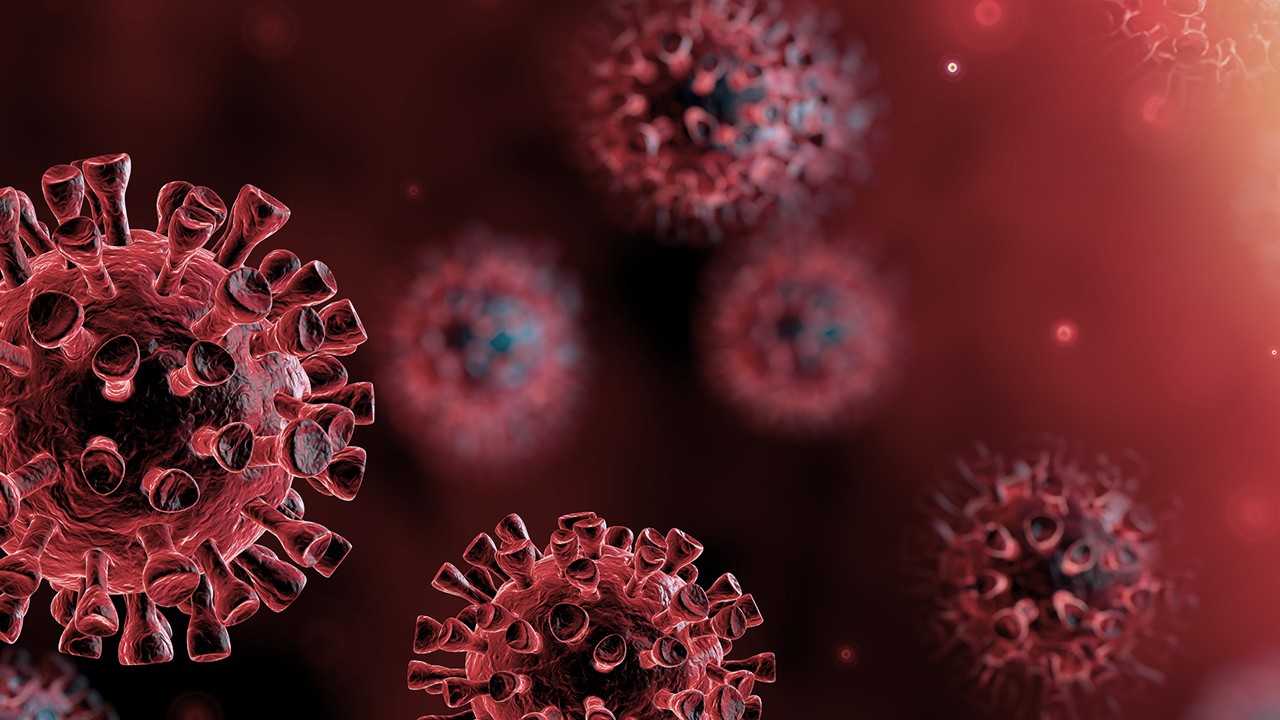
     The newest coronavirus strain, COVID-19, has reached pandemic status. Similar to SARS (severe acute respiratory syndrome) from 2013, COVD-19 induces respiratory complications. Those 65 years or older or immunocompromised are at highest risk for complications from the infection. Younger, healthy individuals, including infants, are often asymptomatic or result in minimal and mild symptoms. Due to the currently rapid rate of infection, our hospitals are suffering shortages of PPE (proper protective equipment), medical supplies, medicines, and even medical staff. It is highly likely that we will all be exposed to this virus at some point, but to ensure we have the capabilities to adequately treat and care for those that become ill we need to slow the current rate of infection. As such, this week’s blog will provide precautions that everyone should take in order to minimize the impact of this virus.

     Listed here are some basic steps that everyone should be taking to prevent the transmission of COVID-19. A group effort is needed to slow the transmission of the virus, so remember, we’re all in this together!

  • Stay home as much as possible (known as social distancing or self-isolating). Because symptoms may take several days to develop, unknowingly infected individuals may continue spreading the virus in the community unless they self-isolate. Limit unnecessary visitors in your home. When leaving is necessary, maintain a 6 foot distance (or about 2 arms lengths) from those around you.
  • Wash your hands often and especially after touching things such as doorknobs or sinks outside the home. Be sure you’re using the proper technique and scrubbing for no less than 20 seconds for it to be effective.
  • Clean and disinfect frequently touched surfaces, since the virus can live for several hours to days on surfaces like cardboard, plastic, and certain metals.
  • Avoid traveling in publicly confined spaces, including cruise travel, non-essential air travel, and even public transit such as buses and trains when possible.
  • Avoid touching your face, especially with regards to your eyes, nose, and mouth. It can prevent you from introducing the virus into your system.

     Other than age, risk factors for complications from COVID-19 include chronic lung disease, moderate to severe asthma, heart disease related complications, and compromised immunities. The most common symptoms are fever, shortness of breath, tightness in the chest, and coughing, and generally appear 2-14 days after exposure. Emergency warning signs that may require immediate medical attention include trouble breathing, persistent pain/pressure of the chest, confusion or inability to arouse, and a bluish tint to the lips or face (This list is not all inclusive). If you experience these symptoms, call your doctor immediately. It is important that you call first, as your doctor may request specific precautions prior to your arrival to avoid viral transmission from you to others, or vice versa. For active medical emergencies call 911 and be sure to notify the dispatch personnel that you or your loved one has a suspected case of COVID-19.

     If you are caring for or living with someone who may have coronavirus, there are further steps you should take to prevent the spread. These include;

  • Using separate bathrooms if possible.
  • Avoid sharing personal items, including dishes, towels, bedding, etc.
  • If facemasks are available, have those infected wear them while in the same room with others, including yourself. Note: Facemasks can prevent transmission of the virus by those already infected through the air but are not guaranteed to prevent contraction by an uninfected person, meaning do not buy/use them unless you likely have COVID-19. The excessive purchasing and use of facemasks has already led to shortages in healthcare facilities like hospitals.
  • Wash your hands, laundry, and household surfaces frequently and thoroughly.

     COVID-19 is a novel mutation of coronavirus. It can be transmitted through animal-to-human and human-to-human contact and spreads easily and sustainably within communities, making social distancing and other precautions all the more important. Coronaviruses are primarily spread through respiratory droplets, hence the necessary 6 foot distance from others. Unfortunately, you can also contract COVID-19 by touching a contaminated surface and then your own mouth, nose, or eyes. Although the virus can live on certain surfaces for days, our food products that are shipped over a period of days or weeks at ambient, refrigerated, or frozen temperatures should not contain any active virus.

     Patients confirmed positive for COVID-19 should be isolated either in the hospital or at home depending on the severity of symptoms. How long someone is sick or shedding the virus varies, meaning that releasing someone from isolation should occur on a case-by-case basis and in consultation with doctors, disease prevention experts, and other public health officials whenever possible. As a general rule, one should isolate themselves for at least 14 days after the last exposure to any possible COVID-19 case. Keep in mind, symptoms may not present within an infected individual for up to 14 days if at all. If asymptomatic after 14 days CDC guidelines suggest you can no longer spread the virus unless re exposed. Infected, yet asymptomatic individuals are known as carriers. While they appear unaffected they are still able to transmit or “carry” the virus to others.

     Although certain states have mandated specific stay-at-home restrictions, including Oregon and Washington, a national lockdown is currently not being enforced. It is recommended to remain in your home as much as possible, but you are still able to shop for essentials, like groceries, prescriptions, etc. There is no need to stockpile groceries, toilet paper, etc. The Federal Emergency Management Agency (FEMA) recommends buying only what your family needs for a week. Grocery stores will not be closing and therefore, over-purchasing food, water, and other necessities only leads to shortages for others in need. Deliveries are not being disrupted but stores do need extra time to restock due to staff shortages and increased demand, so most store hours have been reduced.

     While there has been discussion within the government of providing stimulus checks to citizens, this decision has not been finalized. As such, if you receive any correspondence, verbal or written, claiming to be able to get you that money now, it is a scam. Do not provide them with any personal information. The Federal Trade Commission has more information about these scams on their website.

     Non-essential places like theaters, salons, and gyms are closed until further notice. Schools around the country have closed for the remainder of the year or converted to online curriculum only. Many are being asked to work from home or can no longer work at all. Social gatherings with people from outside the household are no longer allowed and playgrounds, state parks, and campgrounds have all closed.

     Due to the drastic changes many of us are facing in our daily lives and routines, it is not abnormal to experience an increase in stress, anxiety, and fear, which is why it is integral that we remember to take care of ourselves and eachother. To prevent these feelings, we recommend the following;

  • Take breaks from watching, reading about, or listening to the news and social media. Hearing about the pandemic repeatedly can be upsetting, so limit your exposure.
  • Take care of your body. It is helpful to take deep breaths, stretch, or meditate when these feelings of anxiety come on. Eat healthy, exercise regularly, get plenty of sleep, and avoid drugs and alcohol.
  • Go outside! You are allowed to take walks, go for bike rides, and walk the dog, but restrict it to your own neighborhood while maintaining a 6 foot distance from others.
  • Make time to unwind. If you are stuck at home, utilize this time for activities you enjoy or even to find new ones!
  • Connect with others. Talking with others about your feelings and concerns can alleviate much of the stress associated with them. Although we must physically distance ourselves right now, we still have access to eachother via phone, video, email, letters, etc. and socializing is important in maintaining mental health.
  • Try to keep a somewhat regular schedule. Wake up at a normal time, eat your meals regularly, and go to bed at a reasonable time.
  • Call your healthcare provider if stress is preventing you from completing your daily activities for several days in a row. If you, or someone you love, are feeling overwhelmed to the degree that you want to harm yourself, please call 911, SAMHSA’s Disaster Distress Helpline (1-800-985-5990), or text TalkWithUs to 66746.

     For more information, please visit the resources listed below. The link to Oregon’s specific coronavirus webpage is included below, and contains information regarding what is and is not allowed in light of the recent executive order mandating a shelter-in-place policy in Oregon.
Facebook
Twitter
Email
Sources:
CDC COVID-19 News:
https://www.cdc.gov/coronavirus/2019-ncov/prepare/index.html
Alzheimer’s Foundation of America COVID-19 News for AD Patients and Caregivers:
https://alzfdn.org/coronavirus/
FEMA COVID-19 Rumor Control:
https://www.fema.gov/coronavirus-rumor-control
Federal Government COVID-19 News:
https://www.coronavirus.gov/
Federal Trade Commission’s COVID-19 Scam Information:
https://www.consumer.ftc.gov/features/coronavirus-scams-what-ftc-doing
Oregon State COVID-19 News:
https://govstatus.egov.com/or-covid-19

Neurofeedback: Possibility for Alleviation of Cognitive Decline

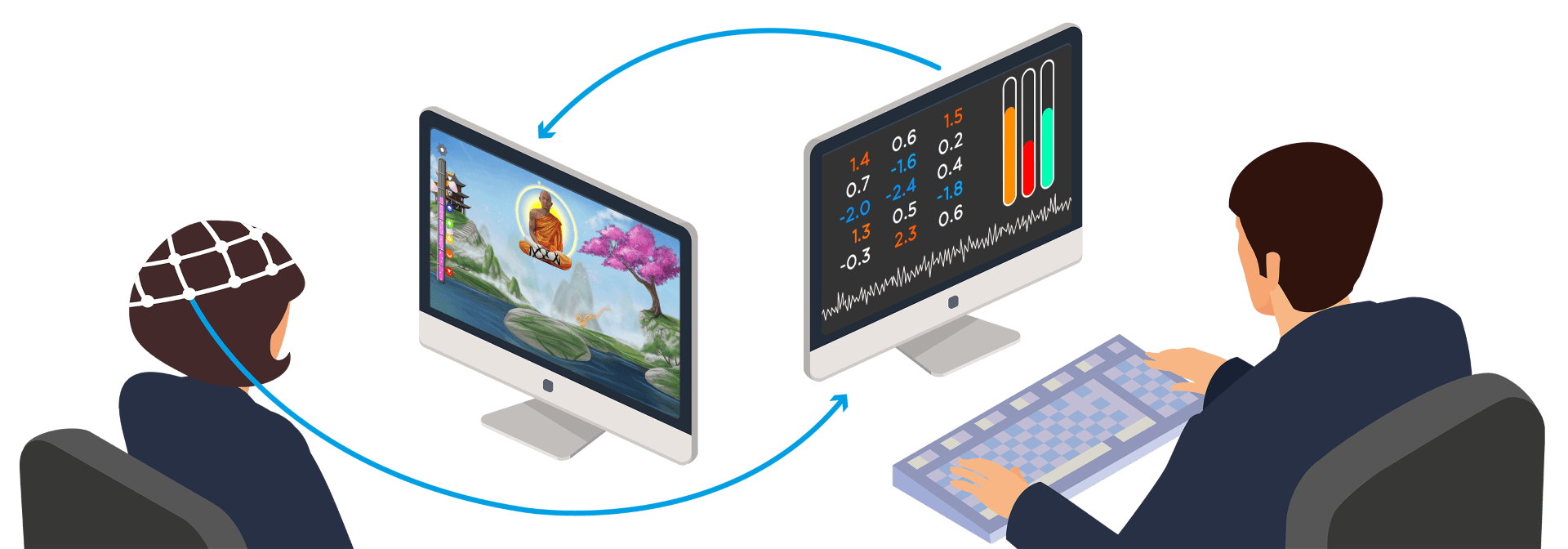
    Our response to stimuli may be detrimental to our health and cognition, like being stressed while driving in traffic. Neurofeedback retrains our physiologic response to stressful situations, by measuring our brain waves and modifying them in a desirable manner. These waves have been classified into 4 types:

Delta: Delta waves are what we experience when we are sleeping.

Theta: Associated with a “daydream” like state in which cognitive efficiency is reduced.

Alpha: Correlates to a state of relaxation, essentially the brain is “idling” and not currently engaged but ready to respond if needed.

Beta: Associated with active mental/intellectual activity and outward concentration on the task(s) at hand.

    During normal aging, brain activity shifts with increasing delta and theta waves in patients with Alzheimer’s disease (AD) a larger increase in theta activity with reduced alpha/beta activity is seen. Neurofeedback trains  patients to consciously control their neural activity, increasing alpha/beta activity and decreasing delta/theta activity. Those practiced in neurofeedback can “activate” their own brain to be more engaged and capable of focusing on tasks requiring complex cognition, and possibly alleviating AD symptoms. 

    Neurofeedback training was assessed in individuals with probable AD also taking cholinesterase inhibitors. Half were also treated with neurofeedback training while the other half just received treatment as usual (TAU), with cognitive testing occurring pre- and post- treatment. Neurofeedback training sessions began within two weeks of pre-treatment testing. Sessions occurred twice a week for 15 weeks, during which participants watched a movie while receiving an electroencephalography (EEG). If the training worked (e.g. increased neural activity) the movie was shown in a higher contrast (visual cue) and the participant heard a beep (auditory cue) to notify/reward them. After completion of all training sessions, participants were re-tested and administered cognitive assessments.Patients receiving neurofeedback training had higher total cognitive testing scores, including improved orientation and memory compared to the untreated group. The neurofeedback group showed an improvement in memory and learning with no improvement or decline in other areas compared to their pretreatment scores. The TAU group declined in total cognitive scores in all areas except orientation in time.

    These results suggest that neurofeedback training is effective in preventing cognitive decline for AD patients. While these results are promising, previous studies show conflicting results. In one study, both neurofeedback training and placebo improved attention, executive function and memory suggesting that this may have been a ”placebo effect”. In another study that trained to increase alpha power,  participants experienced an improvement in memory and cognitive performance. Admittedly, each study had slightly different  treatment goals, which may have contributed to these differential results. In order to concretely confirm the efficacy of neurofeedback training in AD, further research is required. 

Facebook
Twitter
Email
Sources: 
Luijmes, R. E., Pouwels, S., & Boonman, J. The effectiveness of neurofeedback on cognitive functioning in patients with Alzheimer’s disease: Preliminary results [Internet]. Clinical Neurophysiology. 2016. Available from: https://www.ncbi.nlm.nih.gov/pubmed/27374996
Frank, D. L., Khorsid, L., & McKee, G. M. Biofeedback in medicine: who, when, why and how? [Internet]. Mental Health in Family Medicine. 2010. Available from: https://www.ncbi.nlm.nih.gov/pmc/articles/PMC2939454/

Temporal Memory: How Genetics Might Impact Memory Based on Time of Day

    The biology of how memories are made and retrieved is well studied. A new component possibly impacting our memory based upon the time of day was recently discovered in mice. A protein, BMAL1, may impact our ability (or inability) to recall memories as its levels fluctuate throughout the day. Although all mammals possess the protein, this effect has only been confirmed in mice.

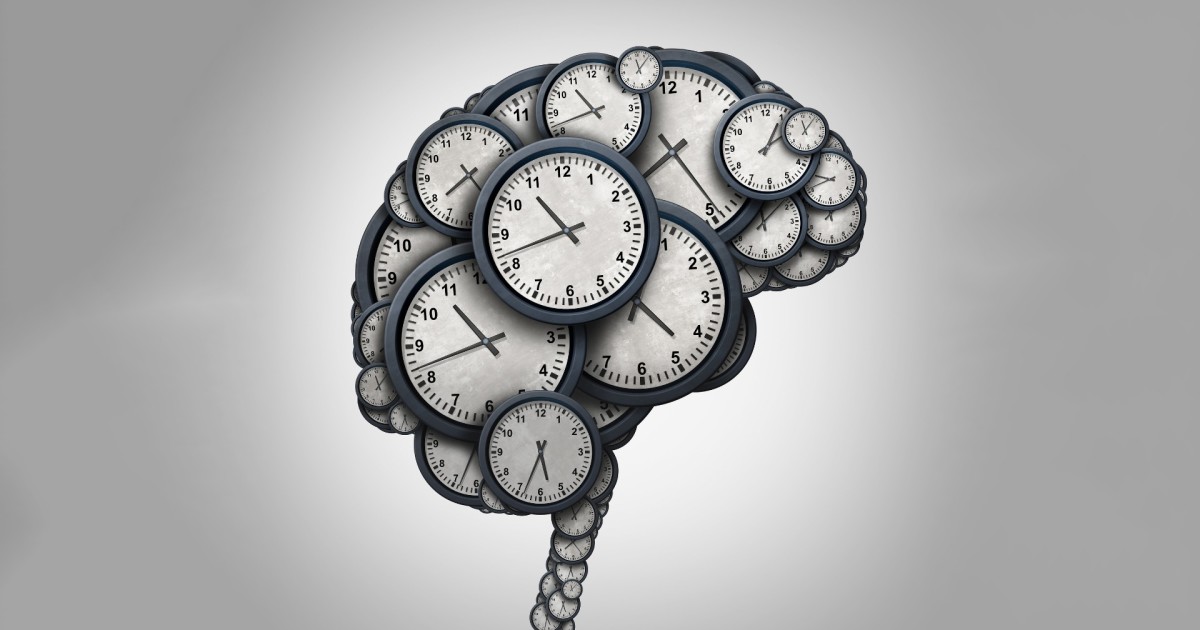
    Melatonin release depends on our circadian rhythm (24 hour light and dark cycle), similarly BMAL1 released at different times of the day impacts memory retrieval. Normal mice, and mice genetically modified to produce BMAL1 with reduced functionality (dnBMAL1), were tested under different light conditions.  Zeitgeber time (ZT) refers to the earth’s 24 hour light/dark cycle, for example, ZT4 refers to the time 4 hours after lights are turned on. Mice explore novel objects longer than those previously seen. Adult mice exposed to novel juveniles for two minutes (training) at ZT4, and then re-exposed 24 hours later, show a marked reduction in the time exploring the juvenile implying recognition. In contrast, adult mice trained and tested at ZT10 showed no recognition due to either an encoding deficit, a retrieval deficit, or both. A third group trained at ZT10 and then tested at ZT4 showed recognition of the juvenile mouse, suggesting that memory encoding was not impaired when trained at ZT10. A fourth group trained at ZT4 and then tested at ZT10 showed impaired recognition similar to those trained and tested at ZT10, suggesting that mice with only two minutes of exposure (weak training) suffer memory retrieval deficits at ZT10. Exposure for three minutes (strong training) alleviated this time-of-day effect on memory retrieval. 

    BMAL1 experiences circadian transcriptional rhythms. BMAL1 mRNA levels in normal mice are lowest when measured at ZT10 (the timepoint with impaired retrieval) suggesting that BMAL1 may regulate memory retrieval. When strongly trained at ZT4, 8, 10, 12, 16, and 22 (and tested 24 hours later), dnBMAL1 mice show normal memory retrieval only at ZT4, 16, and 22, while normal mice show recognition at all timepoints. Although not all deficits can be corrected with strong training in dnBMAL1 mice, when endogenous BMAL1 is high at ZT4, 16, and 22, they are able to retrieve memories without noticeable impairment. This suggests that BMAL1 plays a role in memory retrieval.

    These same tests run in constant dark conditions showed similar results indicating that BMAL1 fluctuates due to an endogenous circadian rhythm, not external cues like light. Similar tests with object recognition and contextual fear conditioning resulted in similar outcomes. In both object recognition and fear conditioning, dnBMAL1 mice showed retrieval deficits compared to normal mice at ZT10 showing that even a particularly salient stimulus (like one paired with a foot shock in the fear conditioning test) can have impaired retrieval with reduced BMAL1 functionality.

     If these results are generalizable to humans then modifying BMAL1 production could have powerful effects on our ability to retrieve memories. Next time you have trouble remembering something wait until a different time of day when your BMAL1 levels might be higher and see if your memory improves.

Facebook
Twitter
Email
Sources: 
Hasegawa, S., Fukushima, H., Hosada, H., Serita, T., Ishikawa, R., Rokukawa, T., Kawahara-Miki, R., et. al. Hippocampal clock regulates memory retrieval via Dopamine and PKA-induced GluA1 phosphorylation [Internet]. Nature Communications. 2019. Available from: https://www.nature.com/articles/s41467-019-13554-y

Produce for Change: Can Fruits and Veggies Reduce Risk of AD?

dan-gold-4_jhDO54BYg-unsplash

    In our previous blogs we have touched upon a couple aspects of how diet can impact neurological function and risk for diseases like Alzheimer’s. As interdisciplinary studies are becoming increasingly more common, we are discovering even more ways that diet and exercise impact our overall health, genetics, and cognitive functioning. Today we will be focusing on a recent study suggesting that consumption of dietary flavonols, a class of molecules found in a variety of fruits and vegetables, might reduce risk for Alzheimer’s disease (AD) and improve cognitive functioning. In fact, if you read our blog regularly you may already know about one flavonoid (of which flavonols are a subclass), resveratrol, which is the predicted cause behind the “French Paradox”. If you aren’t familiar with the French Paradox you can read about it (and much more) on our blog at centerforcognitivehealth.com.

    Flavonols (and flavonoids) are a subclass of molecules called polyphenols, given their name for the many phenol rings that make up their chemical structure. Because of this shape, they act as antioxidants and many have powerful anti-inflammatory properties. In animal studies flavonols improve memory and learning and decrease the severity of AD pathology including decreased deposition of beta-amyloid plaques and neurofibrillary tangles with reduced microgliosis. Recent research by the Rush Memory and Aging Project (MAP) has attempted to determine if these effects are generalizable to human models, focusing on four common flavonols: kaempferol, quercetin, myricetin, and isorhamnetin.

    MAP began this study in 1997, taking a community of elderly volunteers with no known history of dementia, and began giving them yearly clinical neurological exams and comprehensive food frequency questionnaires (FFQ). They parsed apart the effect of diet on AD-induced dementia onset over the course of the next several years. As of 2018, 921 out of 1,920 participants were randomized in the study excluding individuals with possible AD diagnoses at screening and those with missing data. At each annual evaluation, the participants were given 19 cognitive tests later reviewed by a blinded neuropsychologist. A diagnostic classification for each individual was determined by a neurologist, geriatrician, and geriatric nurse practitioner. When analyzing these results, they took care to account for APOE genotyping, years of schooling, participation in cognitively stimulating activities, physical activity, depressive symptoms, and hypertension to control for any possible confounding variables causing cognitive dysfunction outside of dementia itself. Lastly, they analyzed the FFQ data based on the USDA’s Database for the Flavonoid Content of Selected Foods to determine each participant’s average flavonoid intake.

    Among the 921 participants who did not have dementia at the beginning of the study, 220 developed AD dementia during the follow-up period (average follow-up period was 6.2 years), with a mean age of 81.2 years at onset. Statistical analysis of all this data determined that dietary intake of flavonols were significantly predictive of a 48% decreased risk for AD. In terms of the specific flavonols, isorhamnetin and myricetin were associated with a 38% decreased risk and kaempferol was associated with a 50% decreased risk. Quercetin showed no significant effect on AD risk. Considering that these flavonols frequently co-occur in fruits and vegetables, they also modeled them all simultaneously to determine if one or more of the statistically significant effects were simply due to presence of another flavonol. As it turned out, only kaempferol had an independent association with AD risk. In essence this means that the protective effects of the other flavonols discussed in this study were only present when they co-occurred with the presence of kaempferol, suggesting that kaempferol was the most (and possibly the only) effective biomodulator.

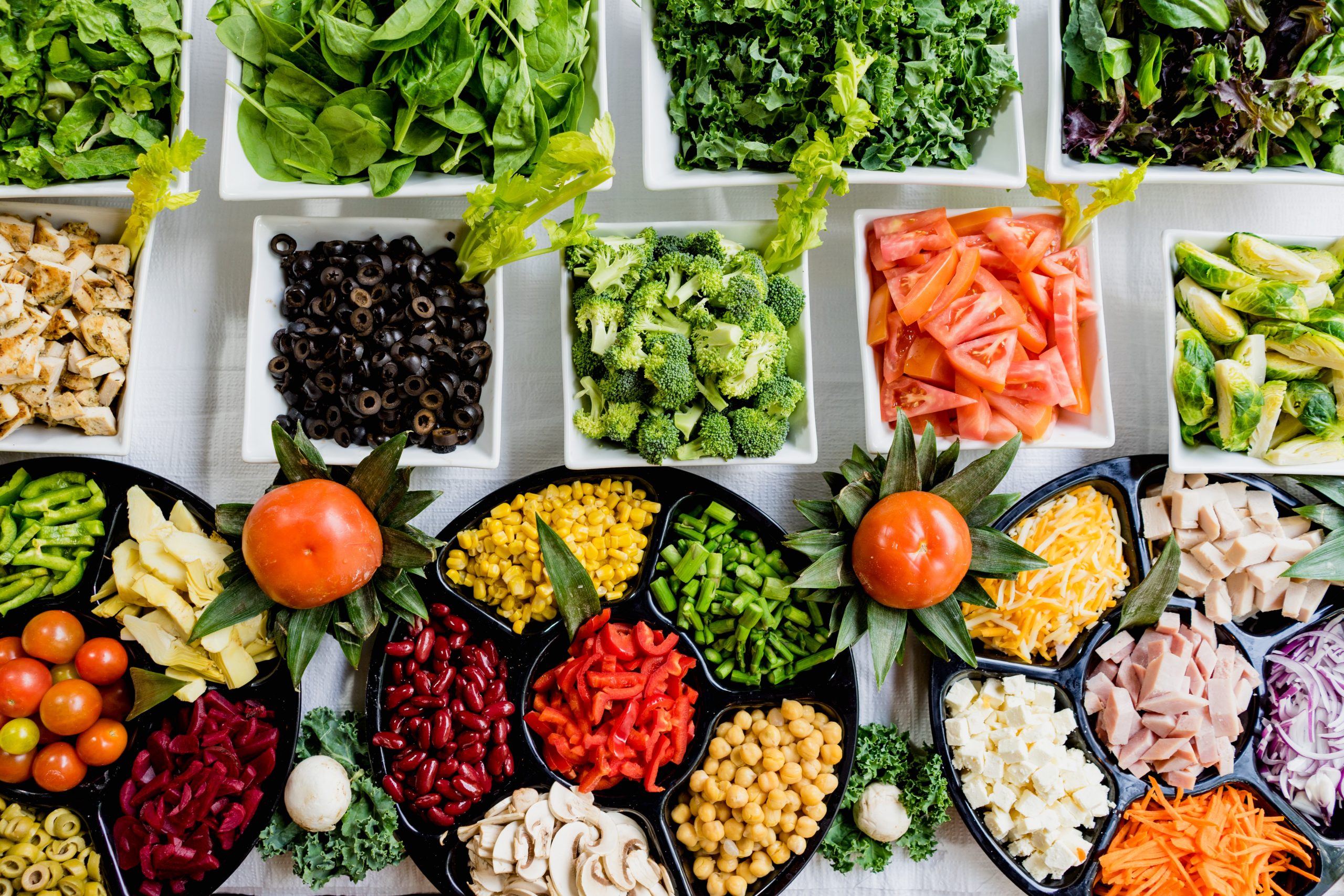
    Kaempferol is abundant in leafy greens. As a general trend, it is clear that modifying one’s diet to include more fruits and vegetables of all kinds is likely to improve both general and cognitive health. However, with the rise of genomic testing, if you or someone you know becomes aware of an increased likelihood of AD it may be worth emphasizing intake of leafy greens and incorporating things like salad, broccoli, or peas into your culinary repertoire regularly. Additionally, while little research has been done on diet’s effect on symptomatic progression of those already suffering from AD, the antioxidant activity of flavonols like kaempferol may also be able to slow the disease progression. Hopefully, more research will be done on this particular topic in the future, but even if this is not the case, in this study those in the highest quintile of flavonol intake also had reduced risk of diabetes, hypertension, and stroke compared to the lowest quintile providing a serious possibility for increased quality of life overall.

Facebook
Twitter
Email
Sources:
Holland, T. M., Agarwal, P., Wang, Y., Leurgans, S. E., Bennett, D. A., Booth, S. L., & Clare Morris, M. Dietary flavonols and risk of Alzheimer dementia [Internet]. Neurology. 2020. Available from: https://n.neurology.org/content/early/2020/01/29/WNL.0000000000008981
Bakalar, N. Why Fruits and Vegetables May Lower Alzheimer’s Risk [Internet]. New York Times. 2020. Available from: https://www.nytimes.com/2020/02/04/well/mind/why-fruits-and-vegetables-may-lower-alzheimers-risk.html