
Sex Differences in Alzheimer’s Risk and Pathology

    Many facets of our lives are profoundly impacted by our underlying genetic makeup from birth. One particularly impactful genetic difference involves the X and Y chromosomes which, aside from assigning one’s biological sex, also play a crucial role in regulation and expression of other genes. The interaction between sex chromosomes and the apolipoprotein E (APOE) gene, which is commonly correlated to one’s risk of developing Alzheimer’s disease (AD), is well studied both in terms of relative risk as well as particular pathological presentations between males and females. This is especially important because certain sub-groups of AD patients often respond differently to various treatments. In the future, these mild differences in clinical manifestations may provide insights into specific treatments or preventative measures that are more effective in sex-based sub-groups. This week we will be delving into this research.

    One study determined that females were roughly twice as likely as men to develop AD, but that men had shorter lifespans after onset of the disease. These two data points alone outline the significant differences in both risk and expression of the disease amongst males and females. Specifically, in a group of 2611 participants followed for 20 years, it was determined that a 65 year old man without a current AD diagnosis had a 6.3% chance of developing AD later in life. This same study found that a 65 year old woman without a current AD diagnosis had a 12% chance of developing the disease. Once a diagnosis is suspected, several epidemiological studies have suggested that females experience neurodegeneration and onset of symptoms more quickly but also have longer lifespans with the disorder. One possible explanation for this is that, due to the faster onset/progression, women tend to be diagnosed earlier making their post-diagnosis lifespan appear longer, while men who may already be suffering from AD but are mostly asymptomatic are diagnosed later, shortening their post-diagnosis lifespan. However, one review study focusing on mortality associated with all dementing disorders found that men had shorter lifespans regardless of age at diagnosis. All of these acute differences raise the question, what is the difference between males and females when it comes to AD?

    Part of the differences, as we discussed earlier, come down to genetics. One study found that while women are generally more likely to develop AD, men with the APOE ɛ4 allele (a specific variant of the APOE gene) have higher relative risk than women with the APOE ɛ4 allele. Furthermore, they determined that the APOE ɛ2 allele, which is uncommon in the general population but has been hypothesized to confer some resistance to development of AD, only provided this reduced risk in women. However, the study involved very few males with the ɛ2 allele, which may have confounded protection in that population. Men have higher incidence rates of vascular disease and women more commonly take anti-hypertensive drugs. Vascular disorders have been hypothesized to advance the progression of dementia, while regular administration of anti-hypertensive drugs seem to reduce the risk associated with the APOE ɛ4 allele. This may be another confounding variable in the relative risks associated with sex, but even so it suggests that lifestyle differences, such as doctor visits and taking one’s medication may also play a role in the development of AD. You can change your lifestyle but you cannot change your genetics.

   Yet another possible differential between the sexes involves hormone secretion. Mouse models lacking estrogen receptors result in up-regulated estrogen levels, possibly playing a powerful role in neuroprotection. Estradiol, the predominant estrogen produced during reproductive years in females, administered to females prior to a prolonged period of reduced hormone secretion like menopause provided neuroprotective effects. However, if administered after a prolonged reduction in hormone secretion (hypogonadism), estradiol was incapable of producing the same effects, leading us to the “healthy cell hypothesis”. It proposes that normal hormonal secretion promotes healthy cell aging while a period of reduced secretion diminishes the neuroprotective effects of hormones. In animal models, estrogens like estradiol promote turnover of thin spines in neurons which are synaptic structures associated with higher cognitive functioning, particularly of the prefrontal cortex which plays a critical role in executive function. Maintenance of normal hormone levels is crucial because during periods of hypogonadism the cells become “less healthy” and may no longer benefit from the normal protective effects. Among women who develop AD, those that had more lifetime exposure to estrogens developed AD at a later age. This has created interest in the possibility of hormone therapy during the onset of menopause as a possible preventative treatment for AD. 

   Unfortunately, one clinical trial testing the effects of estradiol and estrogen/ medroxyprogesterone supplementation on cerebrovascular events in aging women found hormone replacement to increase risk for breast cancer, stroke, and coronary heart disease, meaning that, as of now, this may not be a safe option for prevention of dementia. Males, on the other hand, experience much less marked decreases in hormone production in the late stages of life which might explain the decreased general risk of AD amongst men if androgens play a similar neuroprotective role in men as estradiol does in women.

        Overall, it is clear that genetic sex interacts with age and general genetics to create extreme variability in risk for AD. Sub-group analyses based on gender, and preclinical and clinical trials focusing on the particular risks associated with each group, may prove to be more effective than a generalized treatment for AD.
Facebook
Twitter
Email
Sources: 
Barnes, L. L., Wilson, R. S., & Bienias, J. L. Sex Differences in the Clinical Manifestations of Alzheimer Disease Pathology [Internet]. Archives of General Psychiatry. 2005. Available from:
https://jamanetwork.com/journals/jamapsychiatry/article-abstract/208641
Qiu, C., Kivipelto, M., Aguero-Torres, H., Winblad, B., & Fratiglioni, L. Risk and protective effects of the APOE gene towards Alzheimer’s disease in the Kungsholmen project: variation by age and sex [Internet]. Journal of Neurology, Neurosurgery, and Psychiatry. 2003. Available from: https://jnnp.bmj.com/content/jnnp/75/6/828.full.pdf
Podcasy, J. L., & Epperson, C. N. Considering sex and gender in Alzheimer disease and other dementias [Internet]. Dialogues in Clinical Neurosciene. 2016. Available from: https://www.ncbi.nlm.nih.gov/pmc/articles/PMC5286729/
Todd, S., Barr, S., Roberts, M., & Passmore, A. P. Survival in dementia and predictors of mortality: a review [Internet]. International Journal of Geriatric Psychiatry. 2013. Available from: https://onlinelibrary.wiley.com/doi/abs/10.1002/gps.3946
Bailey, M., Wang, A. C.J., & Morrison, J. H. Interactive Effects of Age and Estrogen on Cortical Neurons: Implications for Cognitive Aging [Internet]. Neuroscience. 2011. Available from: https://www.ncbi.nlm.nih.gov/pmc/articles/PMC3166405/?report=reader
Kim, N., Gross, C., & Krumholz, H. M. The Impact of Clinical Trials on the Use of Hormone Replacement Therapy [Internet]. Journal of General Internal Medicine. 2005. Available from: https://www.ncbi.nlm.nih.gov/pmc/articles/PMC1490267/

The Protective Effects of Sleep for Neurodegeneration

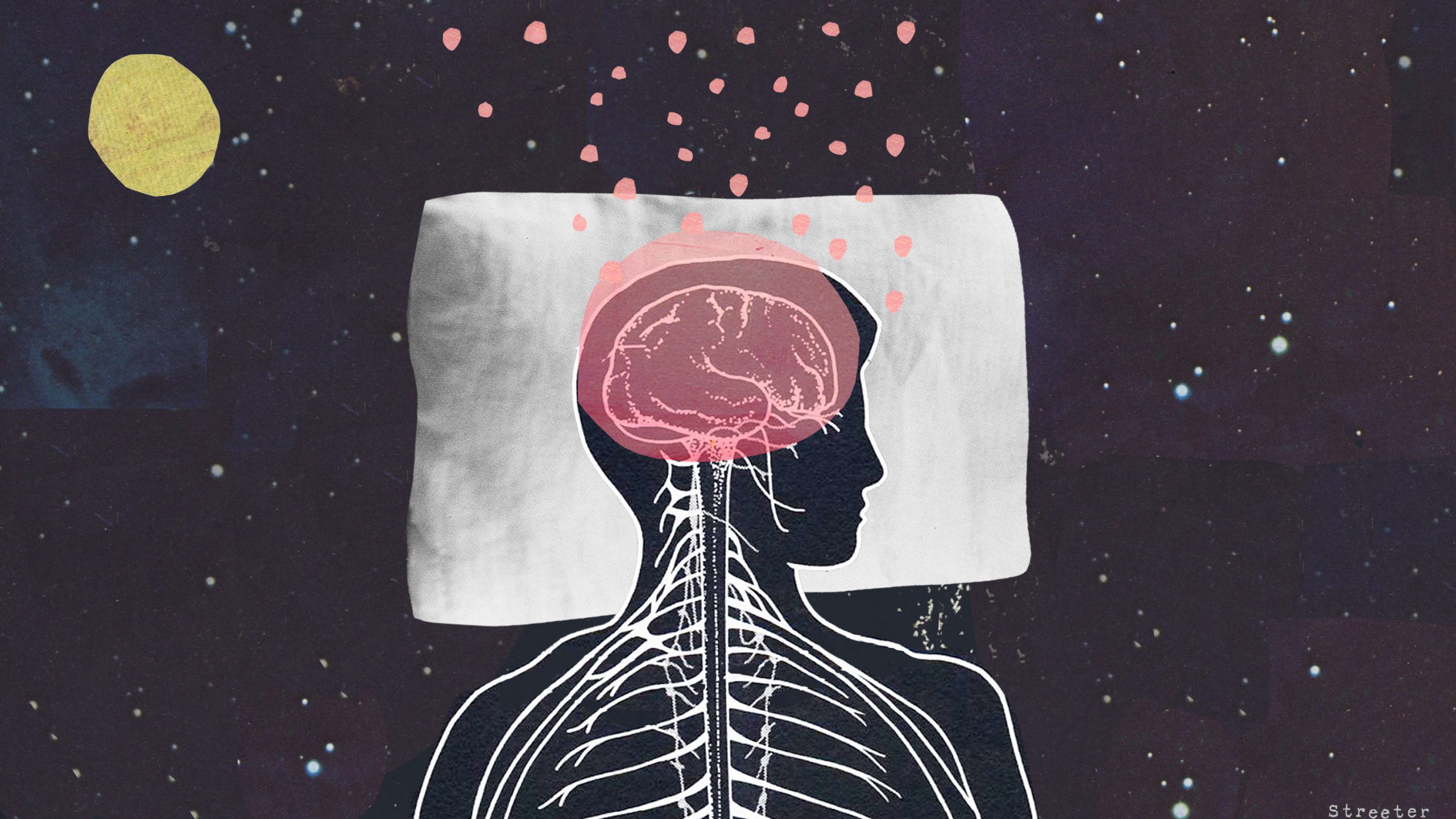
        As we all know, sleep plays a critical role in brain functioning. One such function is memory, with sleep enhancing memory encoding and consolidation. Unsurprisingly, study participants deprived of sleep for 36 hours had significantly worse memory retention and poorer insight into their performance than participants who slept regularly, and administration of caffeine to overcome the decreased alertness was incapable of improving memory function in a sleep deprived sub-group. Another study, utilizing fMRI imaging, showed that sleep deprived participants had decreased activation of the medial temporal lobe in a verbal learning task, but increased prefrontal and parietal lobe activity (presumably to compensate for decreased temporal function) and a corresponding 40% decrease in memory formation of the target words. These results showcase the important role that sleep plays in memory formation, but studies within the last decade have suggested there may be an even more powerful impact on cognition.

        Insomnia is a common complaint amongst patients with neurodegenerative diseases, and was long thought to be a symptom of these disorders. More recently, however, there has been interest in how insomnia might actually be a risk factor for neurodegeneration in a bidirectional relationship. In a study following participants with and without insomnia for 6 years, those in the 90th percentile of sleep fragmentation were 1.5 times more likely to develop Alzheimer’s disease (AD) compared to those in the 10th percentile of sleep fragmentation (representing longer and deeper sleep). Another study, performed over 40 years, showed that patients with complaints of insomnia had a 33% increase in risk for dementia and a 51% increase in risk for AD. Furthermore, a PET imaging study showed that a single night of sleep deprivation significantly increased amyloid-beta deposition (Aβ), even in healthy controls. Results like these promoted further research into the link between insomnia and neurodegeneration providing insight into the neurophysiological effects of sleep.

        This raises the question; How exactly does sleep prevent Aβ buildup and reduce risk for AD and dementia? 

        As you may already know, the brain is contained within a closed cavity, and because of this, any change in volume (such as an influx of blood) will create either a change in pressure or a change in volume of something else (such as cerebrospinal fluid or CSF). Recent studies have been testing these fluid dynamics and how they might play a role in the clearance of toxic by-products such as Aβ. One such study, utilizing blood oxygen level-dependent (BOLD) fMRI imaging and EEG measurement of neural activity found a distinct pattern of fluid flow during slow-wave sleep (SWS) also known as non-rapid eye movement (NREM) sleep. Specifically, it seems that during SWS, a decrease in neural activity also creates a decrease in cranial blood flow. Slow pulses of blood during this phase of sleep are inversely correlated to CSF flow, meaning that as blood flows into the cranial cavity, CSF flows out, and vice versa, in a pulsatile fashion. Because of these pulses of blood flow, waves of CSF are first moved around the brain, mixing with interstitial fluid and taking up toxic by-products, and are then pushed out, effectively clearing toxins from the cranial cavity. In this way, SWS is crucial for neuronal health as this is the only time that hemodynamic flow is coupled with the “bathing” action of CSF. Another related function is proteostasis, the maintenance of healthy proteins and clearance of misfolded proteins. In mice, sleep deprivation impairs proteostasis and causes brain cell death.

        These studies show that lack of sleep contributes to neurodegeneration, but neurodegenerative disorders also contribute to impaired sleep. This bidirectional pathway of toxic protein accumulation causes neurodegeneration that in turn furthers sleep impairment in a repetitive cycle. Thus treatment of sleep disorders is just as important as treatment of cognitive decline in AD patients; sweet dreams!

Facebook
Twitter
LinkedIn
Sources: 
Harrison, Y., & Horne, J. A. Sleep loss and temporal memory [Internet]. The Quarterly Journal of Experimental Psychology. 2000. Available from: https://journals.sagepub.com/doi/abs/10.1080/713755870
Drummond, S. P., Brown, G. G., Gillin, J. C., Stricker, J. L., & Wong, E. C. Altered brain response to verbal learning following sleep deprivation [Internet]. Nature. 2000. Available from: https://www.nature.com/articles/35001068
Fultz, N. E., Bonmassar, G., Setsompop, K., Stickgold, R. A., Rosen, R. R., Polimeni, J. R., & Lewis, D. L. Coupled electrophysiological, hemodynamic, and cerebrospinal fluid oscillations in human sleep [Internet]. Science. 2019. Available from: https://science.sciencemag.org/content/366/6465/628
Grubb, S., & Lauritzen, M. Deep sleep drives brain fluid oscillations [Internet]. Science. 2019. Available from: https://www.ncbi.nlm.nih.gov/pubmed/31672882
Minakawa, E. N., Wada, K., & Nagai, Y. Sleep Disturbance as a Potential Modifiable Risk Factor for Alzheimer’s Disease [Internet]. International Journal of Molecular Sciences. 2019. Available from: https://www.ncbi.nlm.nih.gov/pmc/articles/PMC6412395/
Shokri-Kojori, E., Wang, G., Wiers, C. E., Demiral, S. B., Guo, M., Won Kim, S., Lindgren, E., et. al. β-Amyloid accumulation in the human brain after one night of sleep deprivation [Internet]. Proceedings of the National Academy of Sciences of the United States of America. 2018. Available from: https://www.ncbi.nlm.nih.gov/pmc/articles/PMC5924922/
Shamim, S. A., Warriachm, Z. I., Tariq, M. A., Rana, K. F., & Malik, B. H. Insomnia: Risk Factor for Neurodegenerative Diseases [Internet]. Cureus. 2019. Available from: https://www.ncbi.nlm.nih.gov/pmc/articles/PMC6876903/

Memory Disorders: A Review

        As we look back upon the events of the last decade, it seems fitting to also review the
various types of memory, disorders that affect them, and what we have learned about them over
the years. We will address the neuroanatomy, symptomatology, and treatments of disorders
affecting episodic, working, procedural, and semantic memory functions. Before we do that,
however, let’s outline the basic process of “making” a memory and how this ties into these
individual memory types. In general, a memory undergoes three distinct phases of formation,
known as encoding, consolidation, and retrieval. Dysfunction at any of these stages will result in
memory impairment, manifesting differently depending on the stage affected.

        Episodic memory, refers to encoding and recalling personal experiences as though they
were an “episode” of your life. Neuroanatomically, the Papez circuit subserves encoding of
episodic memory, while the frontal lobes are crucial for its retrieval. This is evidenced by the
famous case of H.M., who underwent bilateral medial temporal lobe removal to treat severe
epilepsy, and wound up with severe anterograde amnesia (the inability to form new memories).
Damage to the hippocampal formation or other structures in the Papez circuit impairs episodic
memory encoding. Episodic memory is also lateralized with visual memory being stored
primarily in the right and verbal memory in the left hippocampus/medial temporal lobe.
Psychometric tests that measure memory dysfunction utilize figure and word-list free recall and
recognition cues. When a patient’s recall errors are improved with recognition cues we then
know that the brain dysfunction is not in Papez circuit (responsible for encoding) but in the
frontal lobes (responsible for retrieval). Normal age-related memory decline is the leading cause
of a retrieval deficit; that is why we keep lists as we get older, to serve as cues for our senior
moments. When that list no longer jogs your memory that is always the sign of a disease and
that is when it’s time to see us.

        Possible causes of damage to Papez circuit include traumatic brain injury (TBI), localized
strokes, Wernicke-Korsakoff syndrome, or transient global amnesia induced by seizure. More
commonly occurring episodic memory disorders include Alzheimer’s disease (AD) and
hippocampal sclerosis (HS). Other neurodegenerative disorders like Lewy body dementia,
Parkinson’s dementia, and frontotemporal lobar degeneration (FTLD) also tend to cause deficits
in episodic memory but present much later in their progression.

        Working memory, often referred to as short-term memory, is the ability to maintain
information in one’s mind in a malleable state so that it might be manipulated in order to
complete goal-oriented behaviors. This type of “memory” is actually more of an executive
function, with the frontal lobes playing the primary role in its maintenance. Because of this,
disorders which impact working memory tend to impact executive functioning. For example,
working memory deficits are well-established in Autism Spectrum Disorder, Attention Deficit
Hyperactivity Disorder, Schizophrenia, and Fetal Alcohol Syndrome. Working memory
dysfunction is also possible in the later phases of neurodegenerative disorders such as AD,
Frontotemporal dementia, Parkinsons, and Lewy body dementia, or after a TBI. Treatment for
executive functioning depends upon the cause of the dysfunction.

        For instance, AD working memory deficits sometimes respond to cholinesterase inhibitors, while Parkinson’s dementia responds better to dopamine replacement therapy. Even normal age-related working memory deficits can be alleviated somewhat by “training” oneself to multitask. In one study, a basic video game called NeuroRacer that involved responding to signs and keeping a car centered on a winding road, was used and after training, participants between 60-85 years old were able to enhance their working memory and multitasking abilities. The most common test of working memory involves retention/recitation of a digit span, either as it was originally given or in reverse. Interestingly, the average digit span that can be retained in working memory is 7
numbers, plus or minus 2, which is why phone numbers consist of 7 digits!

        Procedural memory is nondeclarative, meaning that they can be accessed and operated
automatically. These types of memories, like the name suggests, involve acquisition and
retention of a procedure for cognitive or behavioral skills. An example of a procedural memory
would be how to play a musical instrument or driving a manual car. The anatomical structures
involved in formation and execution of procedural memories include the basal ganglia, the
cerebellum, and the supplementary motor cortex. Impairment of procedural memory is most
common with Parkinson’s disease, but is also found in cases of Huntington’s disease or
cerebellar degeneration syndromes. Treatment and clinical testing of procedural memory deficits
are uncommon, however, treating the motor symptoms of these disorders, such as through
dopamine replacement, has been shown to allow for relearning of previously acquired skills.

        Semantic memory refers to knowledge about words and their meaning, and knowledge
about things in the environment, their relationships, and their uses. Because of the broad amount
semantically cetegorized information, their storage in the brain is distributed throughout.
Considering a given concept might engage structures associated with motion, taste, olfaction,
color, or emotion. For example, neuroimaging shows that comprehension of an action-related
concept triggers activation of motor cortices. Furthermore, diseases that affect the motor system,
like Parkinson’s disease, tend to be accompanied by deficits in action verb comprehension. In
cases with widespread semantic knowledge loss, the anterior and inferolateral temporal lobes
tend to be dysfunctional, implicating these areas as the location of amodal (not associated with
one particular sense or action) semantic knowledge. Semantic information also seems to be
lateralized, with verbal semantic knowledge being stored in the left temporal lobe, and
structural/functional information on the right. The most common test for semantic memory is the
Boston Naming Task, involving naming basic drawings of various objects or naming objects
within a category.

        The most notable cause of severe semantic memory dysfunction is the semantic variant of
primary progressive aphasia (svPPA), a subtype of FTLD, with atrophy centralized in the
anterior left temporal pole. Neuropathology of svPPA frequently includes accumulation of TAR
DNA-binding protein 43, although further research has revealed numerous genetic risk factors
and associated protein biomarkers. AD is another common cause of semantic memory deficits
but symptoms tend to be less distinct than the episodic memory deficits. Treatment of AD-
induced semantic symptoms is the same as treatment of episodic memory symptoms for AD
patients. In the case of svPPA, however, there is interest in using transcranial direct current
stimulation (tDCS) to temporarily boost semantic processing. Post-stroke aphasia, another
potential cause of semantic memory loss, also responds to tDCS. Unfortunately, the results are
inconsistent and require further study.

        Before we conclude, it is worth mentioning that there is still much to learn about these
complex memory systems. These discrete systems are more interconnected than we may think.
Neuroimaging has shown that participants learning to predict the weather with undivided
attention engaged the medial temporal lobe and had a more flexible knowledge of the task.
Participants learning with divided attention engaged the basal ganglia, and had less flexible
knowledge of the task. The basal ganglia might “pick up the slack” when the preferred medial
temporal memory system is otherwise engaged. This same effect has also been observed in
lesion studies, drawing attention to the synergy and competition that might play a role in normal
memory function. Understanding these systems in a less rigid and more holistic way may be the
next frontier of memory research using stimulation of healthy networks to subserve the lost
function of damaged networks. Watch for an upcoming blog on how pulsed light waves
(photobiomodulation) might activate networks in neurodegenerative diseases.

Facebook
Twitter
Email
Sources: 
Matthews, B. R. Memory Dysfunction [Internet]. Behavioral Neurology and Neuropsychiatry.
2015. Available from: https://www.ncbi.nlm.nih.gov/pmc/articles/PMC4455839/
Brenowitz, W. D., Monsell, S. E., & Nelson, P. T. Hippocampal sclerosis of aging is a key
Alzheimer’s disease mimic: clinical-pathologic correlations and comparisons with both
Alzheimer’s disease and non-taupathic frontotemporal lobar degeneration. Journal of
Alzheimer’s Disease. 2014. Available from:
https://www.ncbi.nlm.nih.gov/pmc/articles/PMC3946156/
Tsapkini, K., Webster, K. T., Ficek, B. N., Desmond, J. E., Onyike, C. U., Rapp, B., Frangakis,
C. E., et al. Electrical brain stimulation in different variants of primary progressive aphasia: A
randomized clinical trial [Internet]. Alzheimer’s & Dementia: Translational Research & Clinical Interventions. 2018. Available from: https://www.sciencedirect.com/science/article/pii/S2352873718300441
Kandel, E. R., Dudai, Y., & Mayford, M. R. The Molecular and Systems Biology of Memory
[Internet]. Cell. 2014. Available from:
https://www.cell.com/cell/fulltext/S0092-8674(14)00290-
6?_returnURL=https%3A%2F%2Flinkinghub.elsevier.com%2Fretrieve%2Fpii%2FS009286741
4002906%3Fshowall%3Dtrue
Rabinovici, G. D., Stephens, M. L., & Possin, K. L. Executive Dysfunction [Internet].
Behavioral Neurology and Neuropsychiatry. 2015. Available from:
https://www.ncbi.nlm.nih.gov/pmc/articles/PMC4455841/
Anquera, J. A., Boccanfuso, J., Rintoul, J. L., Al-Hashimi, O., Faraji, F., Janowich, J., Kong, E.,
et al. Video game training enhances cognitive control in older adults [Internet]. Nature. 2013.
Available from: https://www.ncbi.nlm.nih.gov/pmc/articles/PMC3983066/
Foerde, K. & Shohamy, D. The role of the basal ganglia in learning and memory: Insight from
Parkinson’s disease [Internet]. Neurobiology of learning and memory. 2011. Available from:
https://www.ncbi.nlm.nih.gov/pmc/articles/PMC3772079/